What is Critical/Therapeutic Inquiry?
Critical/Therapeutic Inquiry is a depth-education approach designed for settlers and immigrants on Turtle Island to explore the complexities of their ancestral histories—including the good, bad, broken, and shadowy elements—without collapsing into overwhelm, seeking quick fixes, or relying on others to relieve the discomfort (Andreotti 2021; Andreotti & Stein 2022). This inquiry is for those ready to deepen their ability to engage with the challenging aspects of their cultural and spiritual lineage and to build resilience in facing the shadows of history and colonial influences.
Are you ready to explore both the gifts and the hard truths of your ancestral legacy as a settler on this land?
How can you honor the gifts of your lineage while facing its shadowed past in settler colonial history?”
Is This Inquiry Right for You?
If you’re willing to explore both the gifts and complicities of your ancestral legacy in relation to settler colonial realities, this inquiry will guide you to:
– Recognize, reconcile, and remediate the painful and dysfunctional values within your settler legacy.
– Recover, remember, and revitalize the gifts and beneficial core values in your lineage.
This method empowers participants to take responsibility for their decolonial healing and to begin unlearning colonial mindsets. It encourages you to embody the positive core values of your ancestors and foster respectful cultural reciprocity with Indigenous laws and teachings in your local area.
How Does Critical/Therapeutic Inquiry Work?
This approach integrates expressive arts therapy and critical autoethnography to help participants trace their ancestral “colonial footprints.” Through six sessions, you will be guided on a research and reflection journey that includes:
– Investigating the colonial histories of your family origins and place of settlement through archival materials, maps, and interviews.
– Engaging in deep self-reflection and memory work supported by expressive arts therapy. Intimacizing (a process to internalize deeply personally) national histories and theories relevant to decolonization.
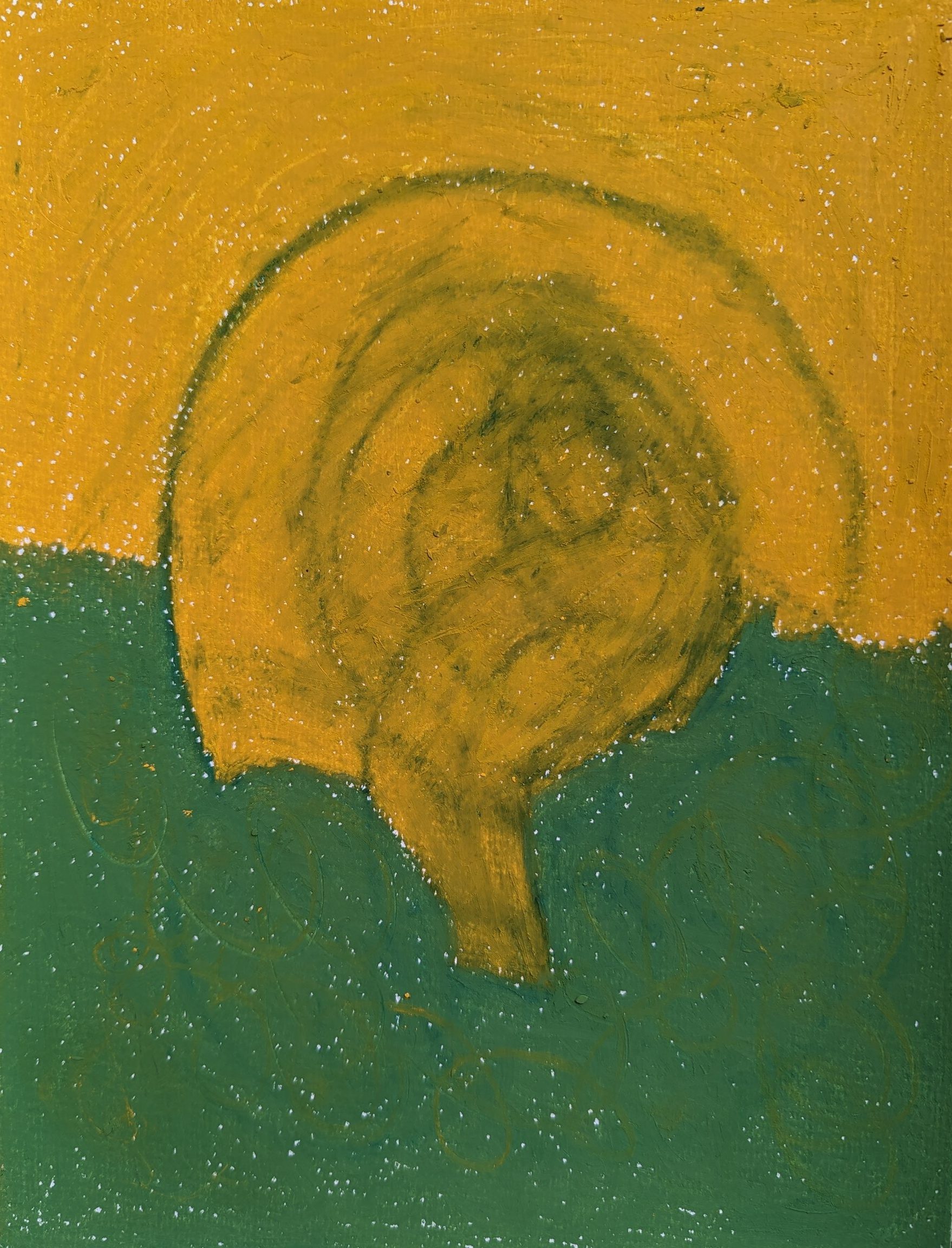
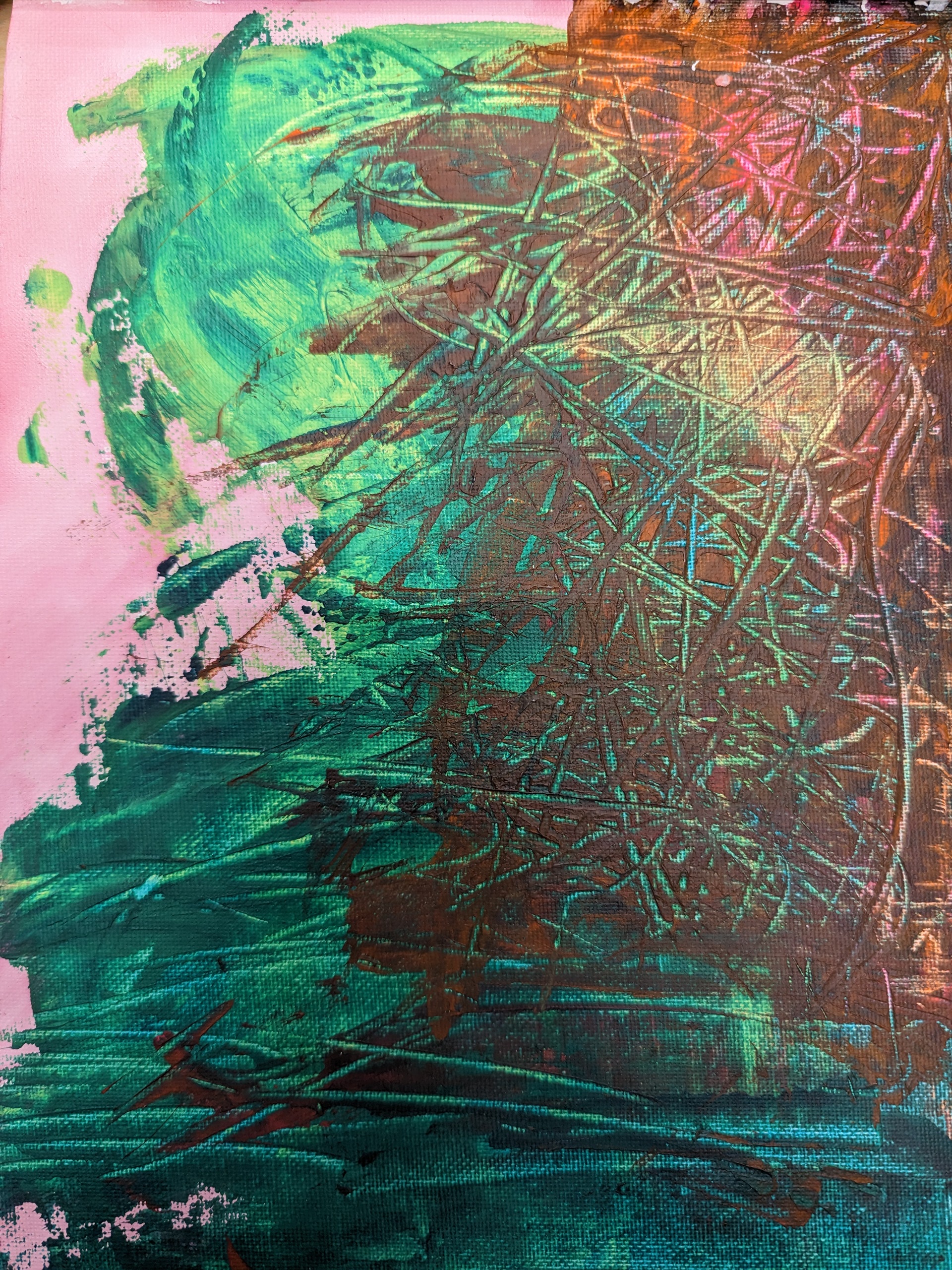
– Using movement, writing as inquiry, visual art, and performative writing to process and connect with your findings.
This journey rekindles a sense of your capacity for imagination and action in building decolonial futures in the present.
Why choose critical/therapy Inquiry?
While Canada’s settler-colonial history is increasingly documented, gaining knowledge alone does not inherently shift our ways of being in the world. Reconciliation is more than political events; it’s an ongoing, place-based process of relationship-building and unlearning, requiring more than intellectual understanding. Relationship, in this context, is about an embodied way of being. This inquiry method responds to Indigenous scholars’ calls for settlers to unlearn colonial habits of thought and imagine beyond colonial frameworks to prevent perpetuating patterns of harm (Goodchild 2020; Maracle 2017)
In Canada, the Truth and Reconciliation journey formally began in 2015. Imagine reconciliation as a person—if it were a child, it would turn 10 in 2025. Like any 10-year-old, this “child” needs nurturing, guidance, and support to grow, and mature. as an educational process, critical/therapeutic inquiry asks each of us to reflect on and reshape our ways of being, moving beyond the habits of thought and behavior that stem from colonial patterns. It’s a call to “grow up”, supporting each other in embodying a deeper, more accountable form of presence in our relationships and communities.
The Five-Session Journey (in 2.5 months)
Sessions 1-4: Through these one-on-one sessions, you will:
- be guided to identify and pursue a specific area of ancestral research to focus on throughout the journey.
- engage with the beauty and brokenness of your ancestral and spiritual legacies.
- remediate dysfunctional core values and remember the positive ones.
- digest, process, and “intimacize” (make intimate) national histories and your research materials through expressive arts, including movement, writing, visual art, and performative expression.
- listen to and learn from the histories, stories and Indigenous laws of your local region.
Session 5 (Witnessing + Sharing): Healing is always communal. In this final session, you will be welcomed in a small collective with two other participants who have been on a similar journey.

The next cohort starts in January 2026. If you’re ready to begin, fill out the form here and I’ll be in touch for more information.
P.S.: Some insurance plans in Canada may cover this inquiry journey. Fill out the form, and I’ll contact you with updates on coverage available in January 2026
Creative outputs from
my critical/therapeutic inquiry:
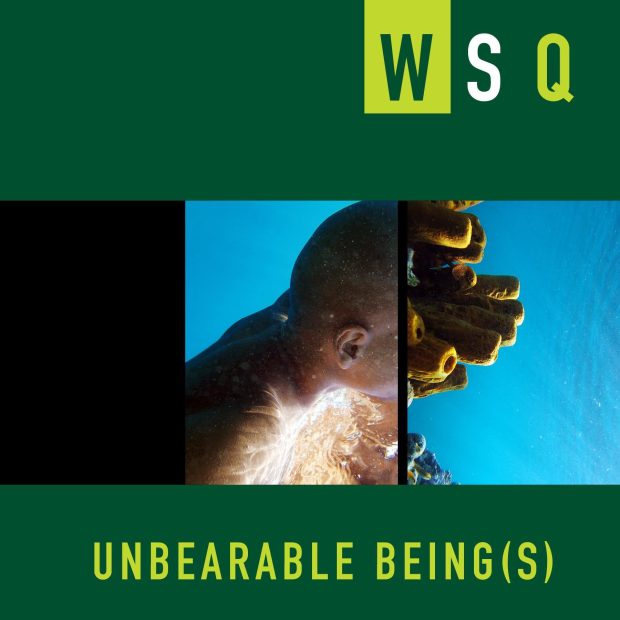
a critical love letter to my ancestors:
perhaps a therapeutics of recognition?
– my critical self-study and creative nonfiction experiment that dialogues with colonial recognition and with the abjection method to the self and ancestry, to wrestle with generational failures and what it means to honor my ancestors.
read the article here
Work cited:
Andreotti, Vanessa de Oliveira. 2021. “Depth Education and the Possibility of GCE Otherwise.” Globalisation, Societies and Education 19 (4): 496–509, https://doi.org.10.1080/14767724.2021.1904214.
Andreotti, Vanessa & Stein, Sharon. 2022. “Education for depth: An invitation to engage with the complexities and challenges of decolonizing work”. In C. McKinney and P. Christie (Eds.), Decoloniality, language and literacy: Conversations with teacher educators (pp. 207-214). Bristol, Blue Ridge Summit: Multilingual Matters. https://doi.org/10.21832/9781788929257-016
Maracle, Lee. 2017. My Conversations with Canadians. Toronto, ON: BookThug Press.
Goodchild, Melanie. 2020. Integrating indigenous wisdom for system change. [Speech transcript]. Collective Trauma Summit: The Power of Collective Healing
 imagination care studio